The team behind Kabaun Studio
We are the software engineering and impact AI studio of the Kabaun family. We exist because a well built tool changes an organisation more surely than one more report. Here is who we are and how we work.
Where the studio comes from
Kabaun Studio and the Kabaun platform come from the same family. The platform measures an organisation's carbon footprint from its real systems. The studio builds and automates the tools that run that same organisation day to day: business applications, agents, automation, training. Both share one conviction: what you do not measure, you cannot steer.
Our engineers do not work from a head office, at a distance from a written brief. They go where the problem sits, on your real data, alongside the people who will use the tool. This closeness to the work, not a catalogue of technologies, is what decides what we build.
The team
Seven people, seven roles, one workshop.-
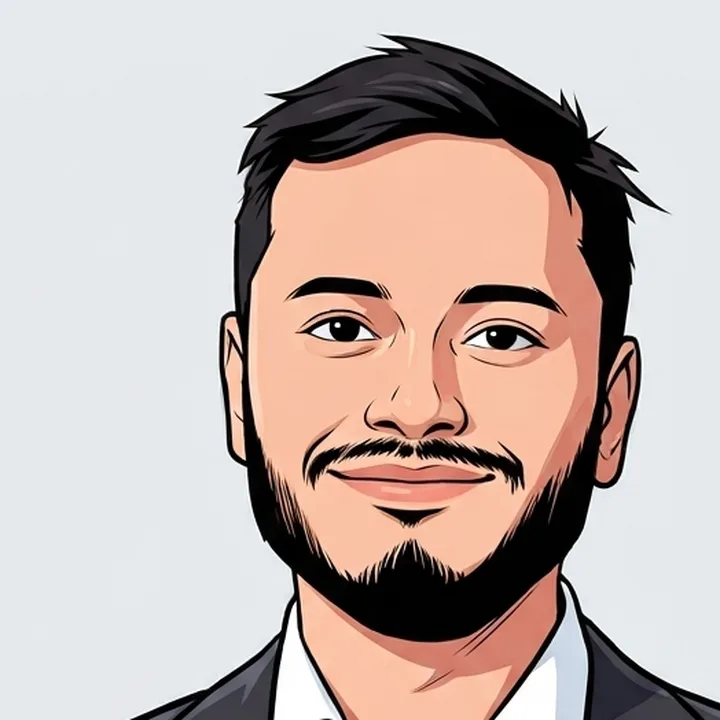
Nicolas
CEO and co-founder, RevOps and BusinessNicolas can turn a first meeting into a signed project faster than most people can finish explaining what they do.
-

Alexandre
CTPO and co-founder, AI, Product and TechAlexandre sketches an architecture on the nearest paper napkin, and it usually ends up in production.
-

Clémentine
AI Full Stack Dev leadClémentine quietly fixes bugs nobody has noticed yet, then mentions it as if they never existed.
-

Nabil
DevOps and Security leadNabil sleeps better on the nights a backup has just been restored successfully, which happens more often than we would like.
-

Yassine
Data leadYassine does not trust a number until it has been traced back to the line that produced it.
-
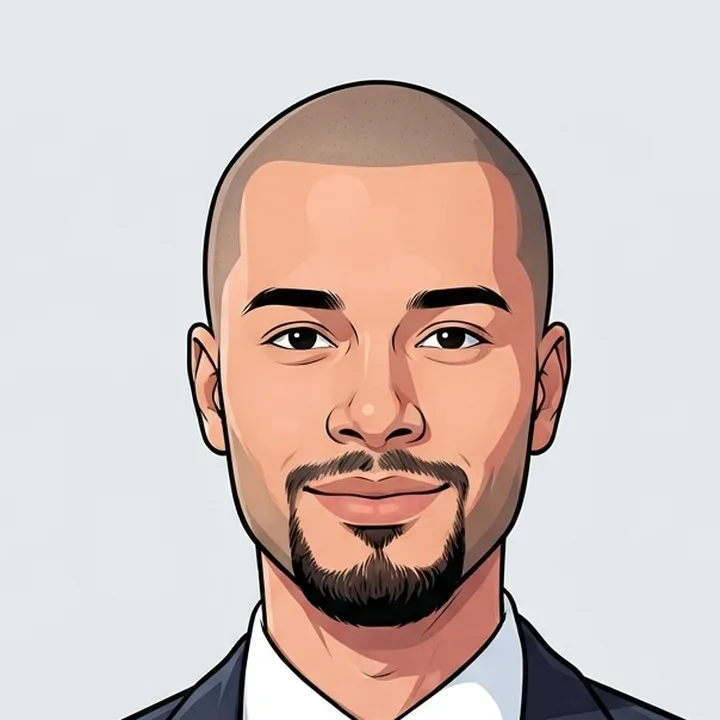
Issar
AI Change practice leadIn a room of ten people, Issar can always spot the one who will never use the tool unless someone explains why.
-

Mehdi
AI Scientist EngineerMehdi only trusts a model once he has watched it fail on your real data, and he can always explain why.
Our six values
Six principles guide how we work, beyond any single project.Value
We do not start a project we cannot explain the return of. An order of magnitude before a figure, never the other way round.Sobriety
We prefer a rule or a script to a model when either is enough. A simpler system is easier to maintain and costs less.Frankness
We say when it is too early to equip you, or when an organisational problem matters more than software. An honest answer beats a quick sale.Transfer
We leave behind a team able to keep what we built running. A project that depends on us forever has failed somewhere.Proof
We show what actually runs rather than what might run one day. Every claim on this page has a project behind it.Security
Whatever commits your company goes through a check computed server side, never through a model alone. Your data is never used to train a model.
Our responsible AI memo
Before starting a project, we write down what we will do and what we will not. This public memo sums up the seven principles we apply, in the order they come up on a real project.Value before the project
We work out what a project must deliver before writing a line, and we do not start it if we cannot answer that.AI only where it is needed
A rule or a script is often enough ; we only use a model where neither one is.The right model, no more, no less
We pick the smallest model that does the job properly, based on trials with your data.Security by design
Whatever commits your company is computed and checked server side, never produced by a model.People validate, operate, and do better
The tool takes the repetitive actions ; people keep validation, judgement and the relationship.Measure every workflow, every agent, every operation
Tokens, cost, response time, a dated carbon estimate : what we do not measure, we do not claim.Train before scaling
We train on good practice before deploying widely, with the people who learned.
Want to meet us?
A free diagnostic is enough to know if a project makes sense at your end.